
Workplace experience as a key to business success
When space, technology, and organizational culture are intentionally aligned, a compelling workplace experience emerges.
We will explain how to design work environments that enable effective collaboration and increase productivity, motivation, and satisfaction.
This article shows …
- what defines workplace experience,
- which dimensions matter most physical, digital, and cultural,
- the opportunities and benefits of a positive workplace experience,
- what a typical workday with an optimal workplace experience can look like,
- how organizations can systematically improve their workplace experience through a structured consulting approach.
What is workplace experience?
Workplace experience describes how employees perceive their workplace and their day-to-day work. From a holistic perspective, it encompasses physical, digital, and social-cultural elements. As a key component of the overall employee experience, workplace experience can lead to higher productivity, a stronger sense of belonging, and greater employee satisfaction.
The core dimensions of workplace experience
Physical environment
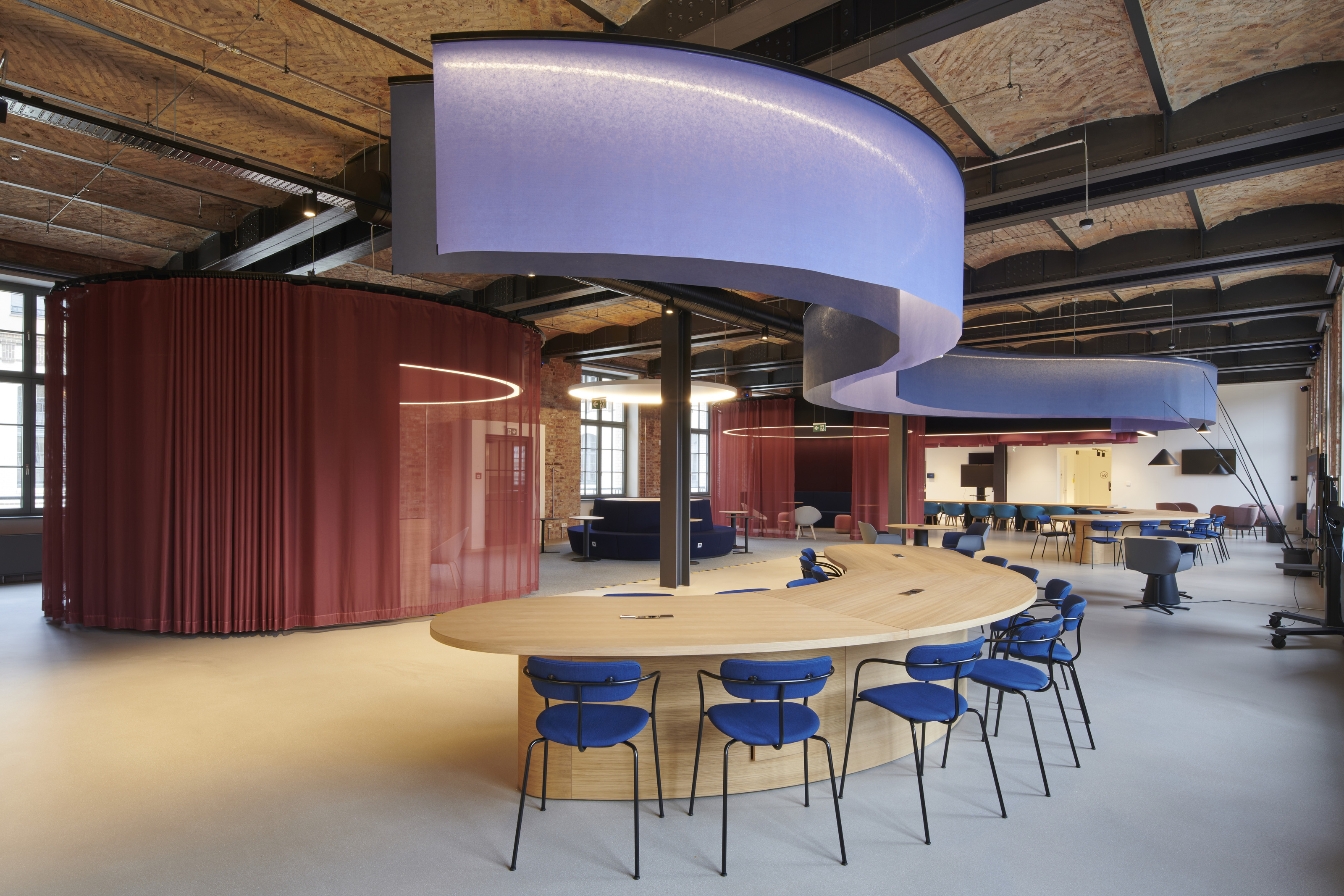
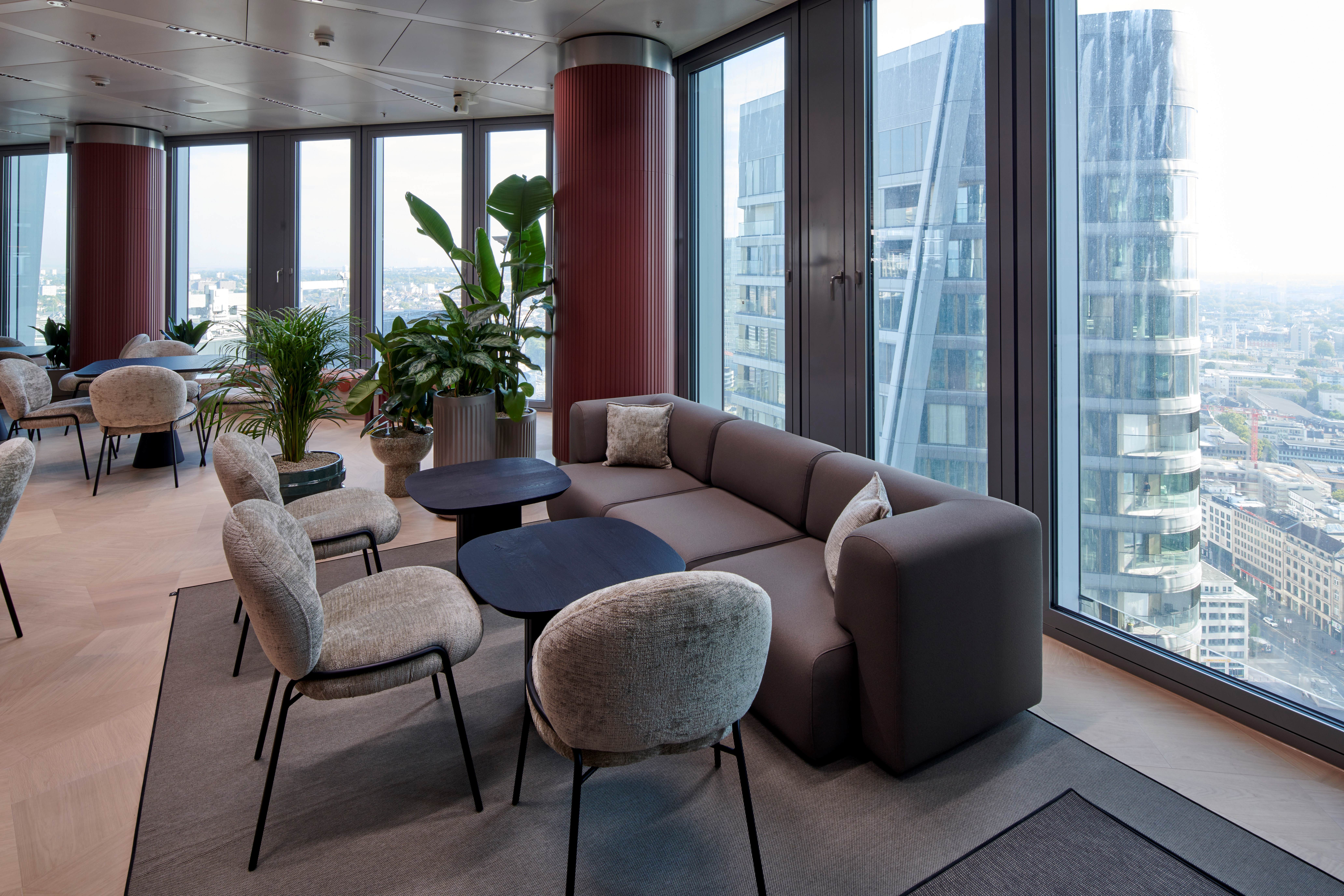
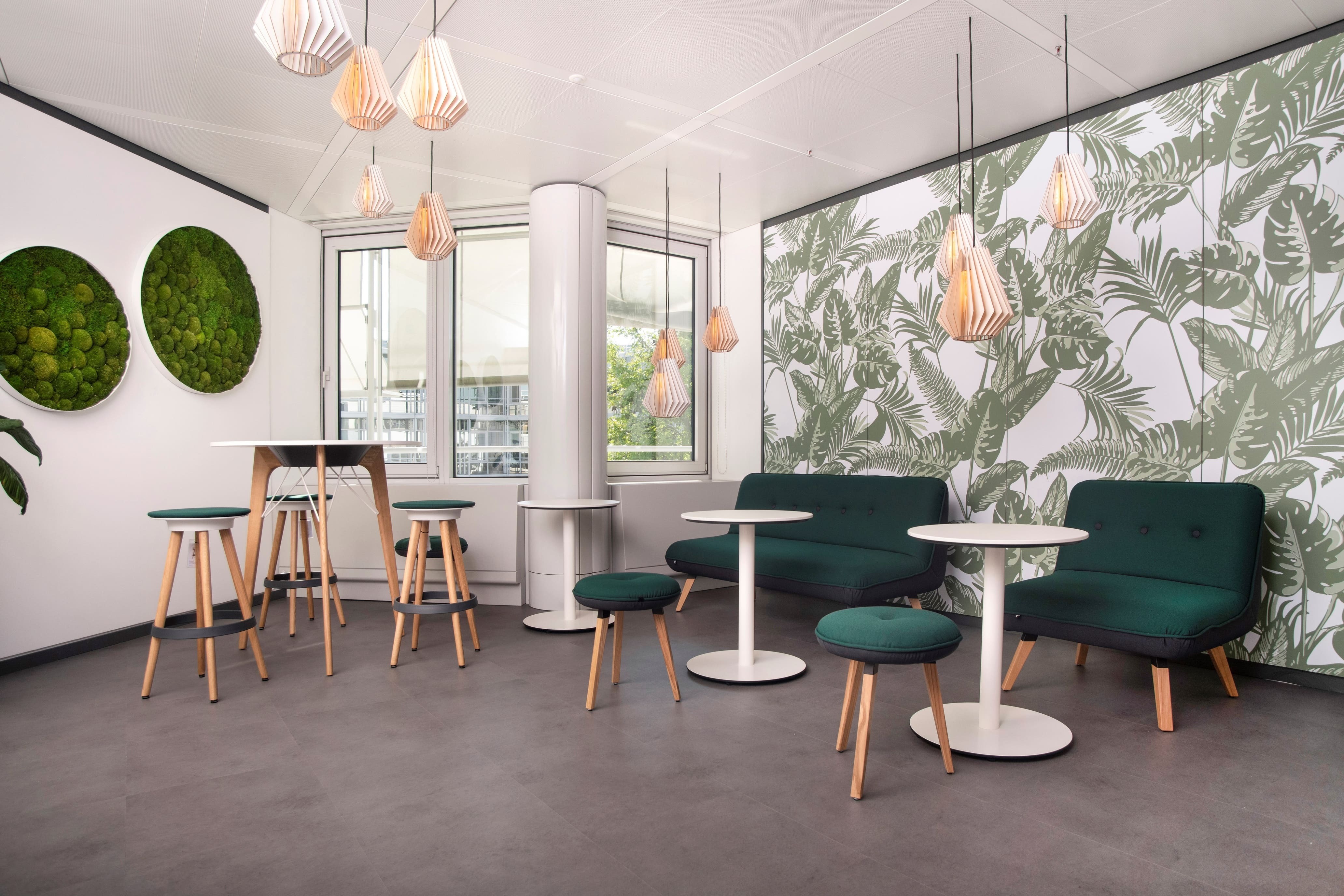
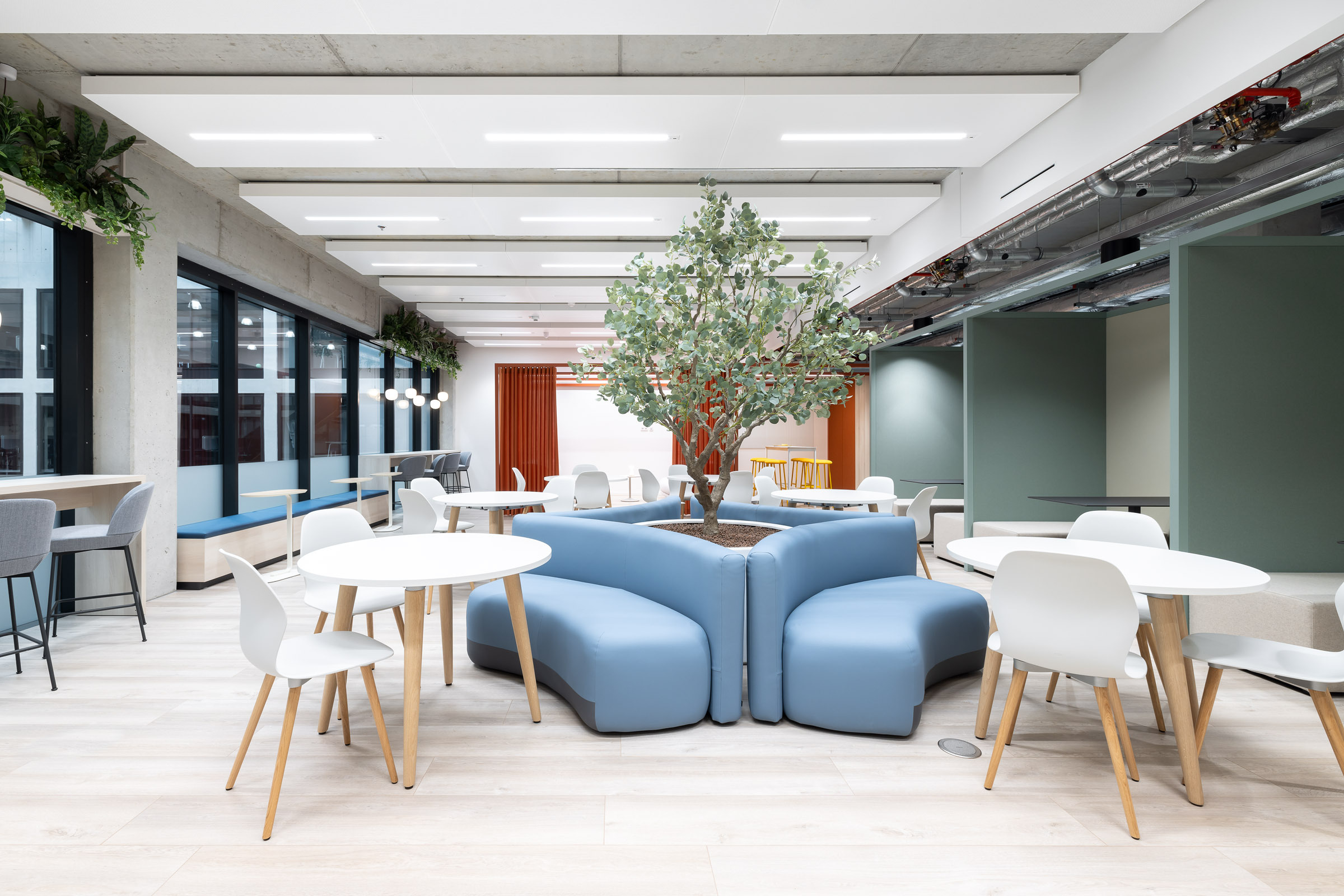
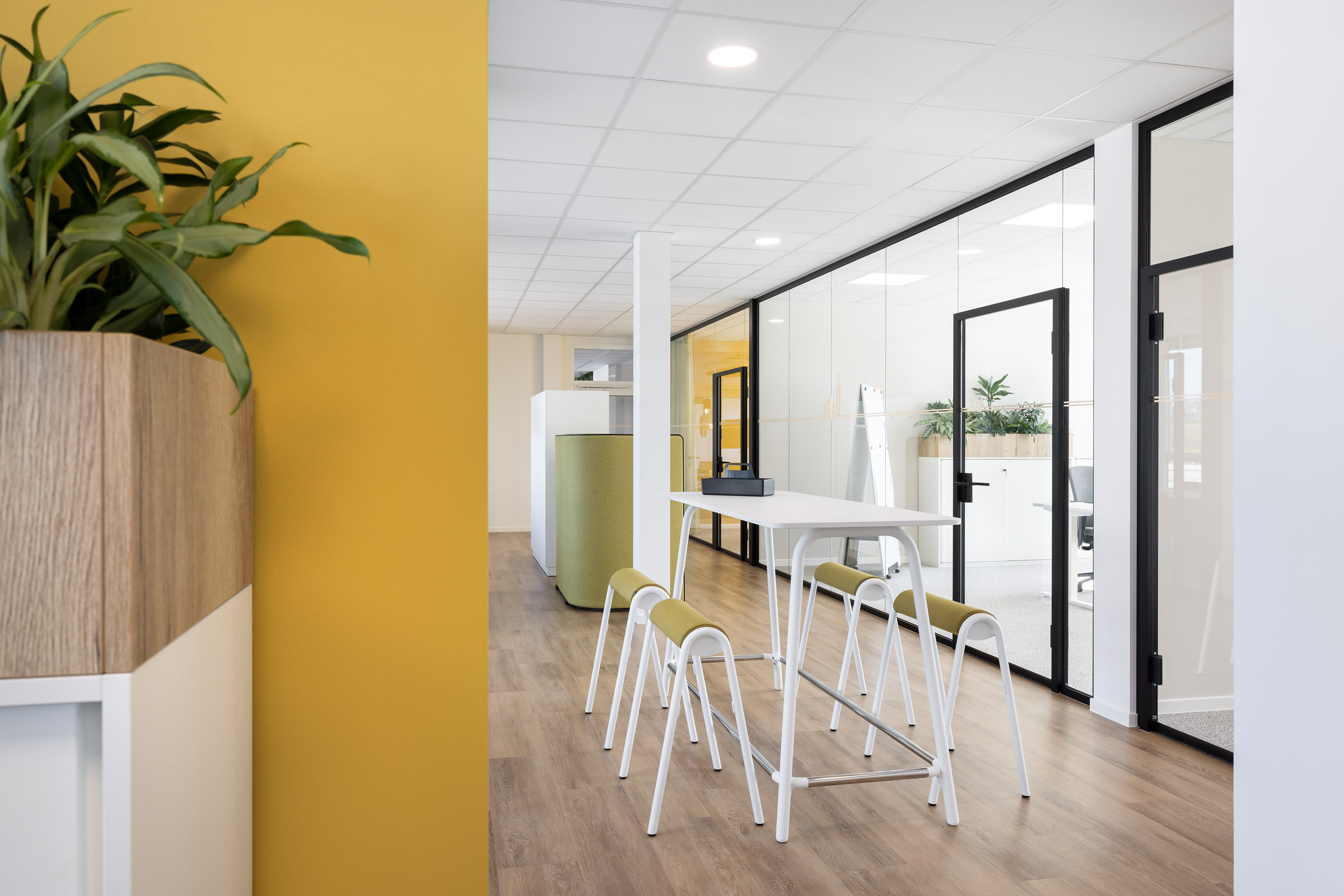
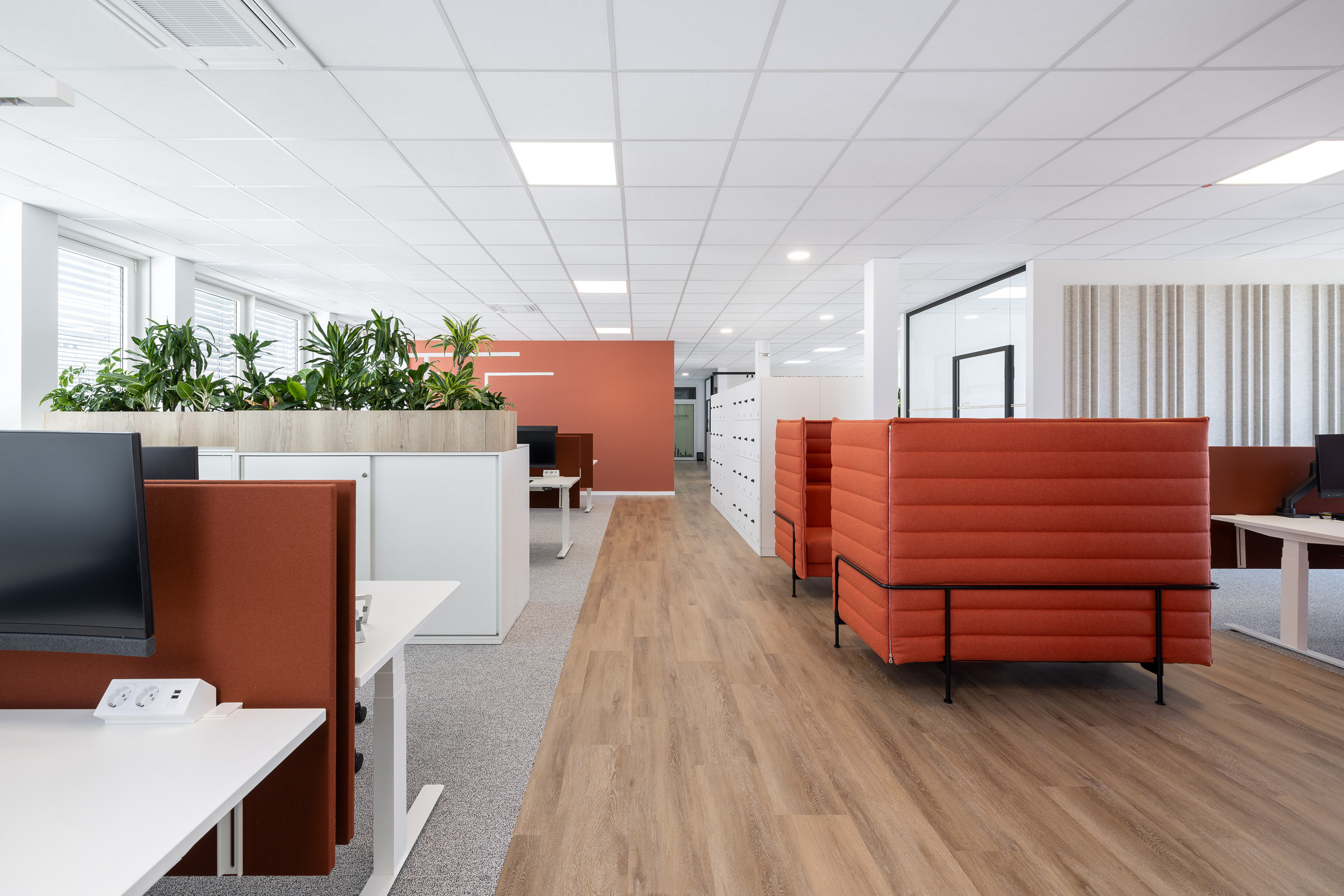
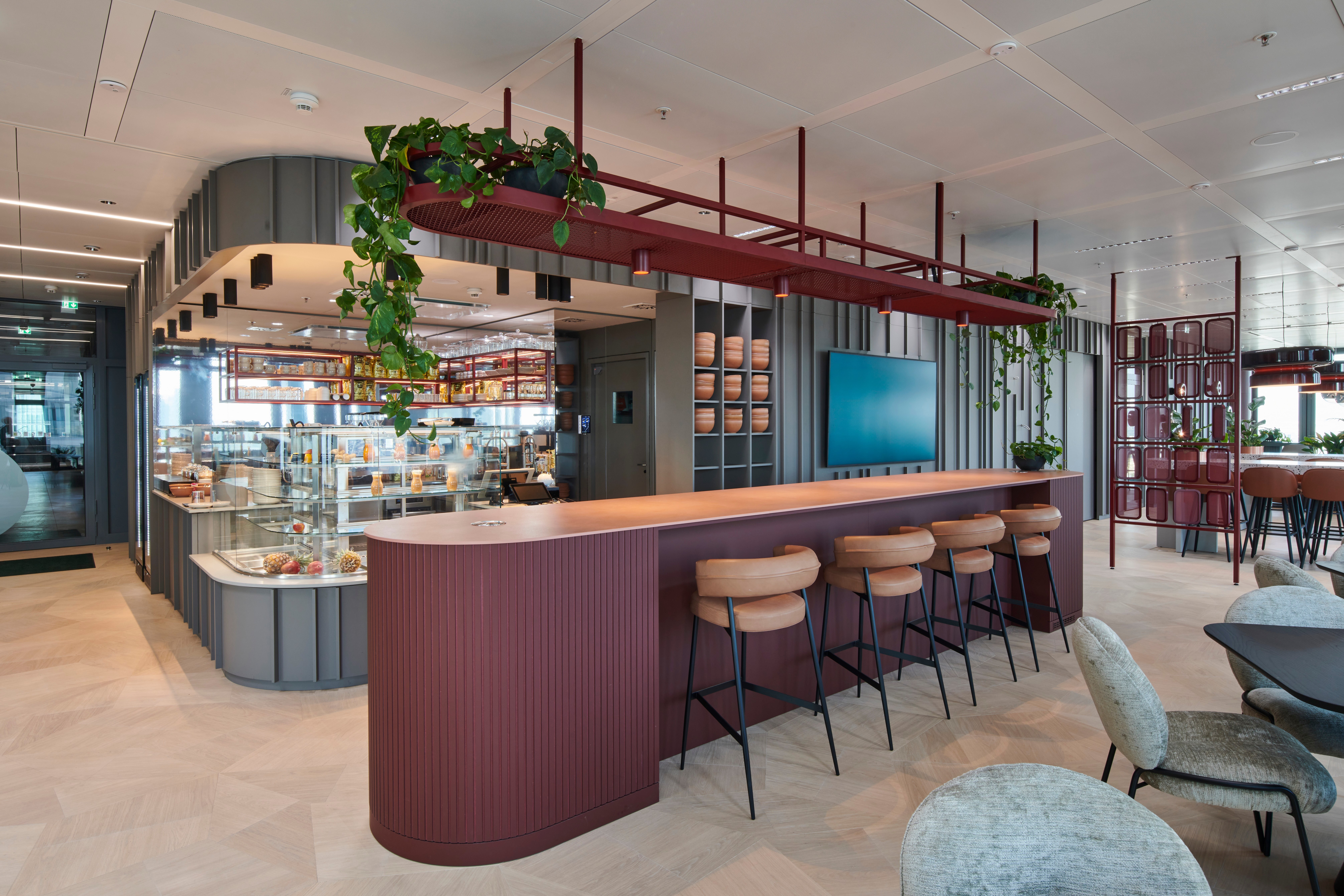
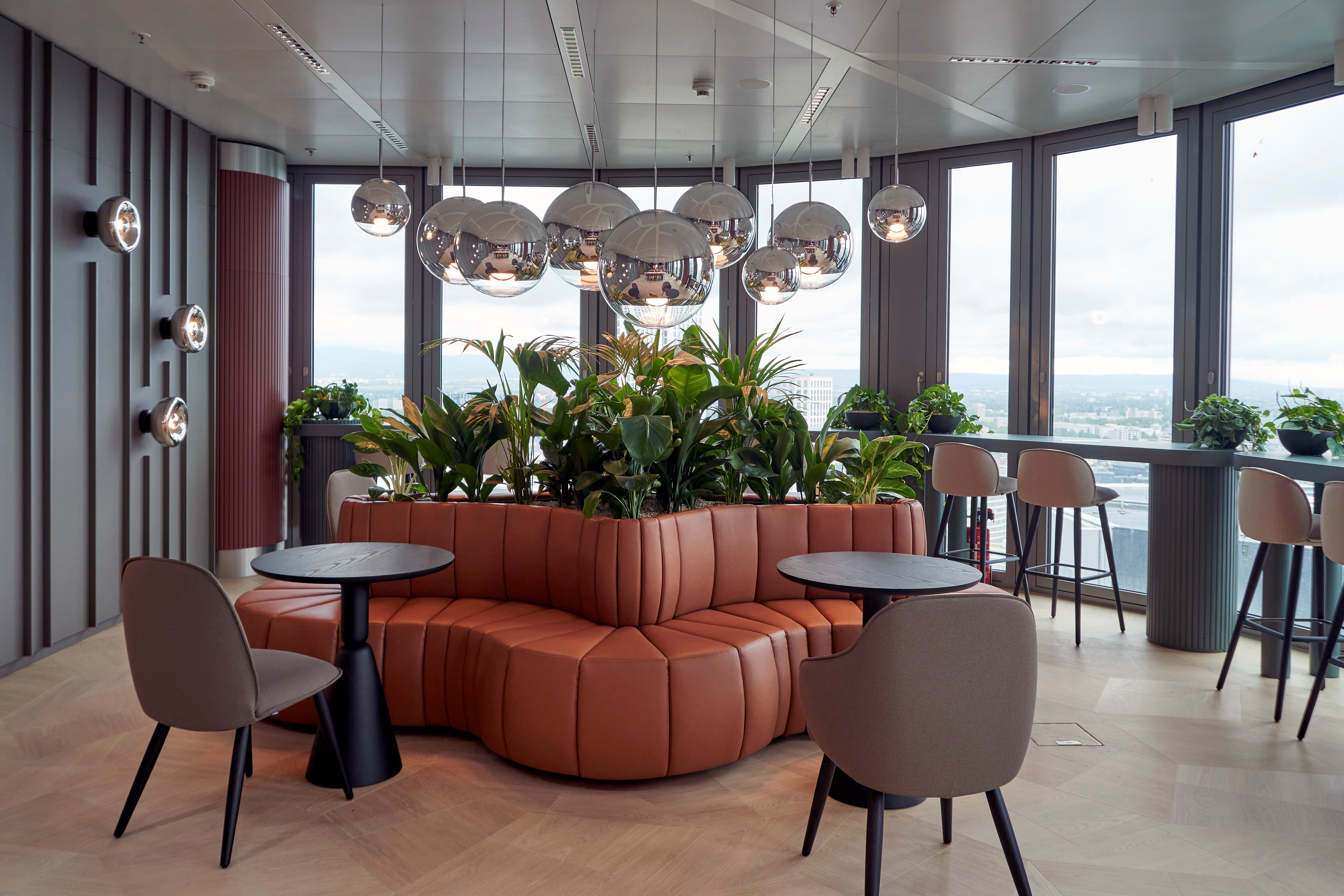
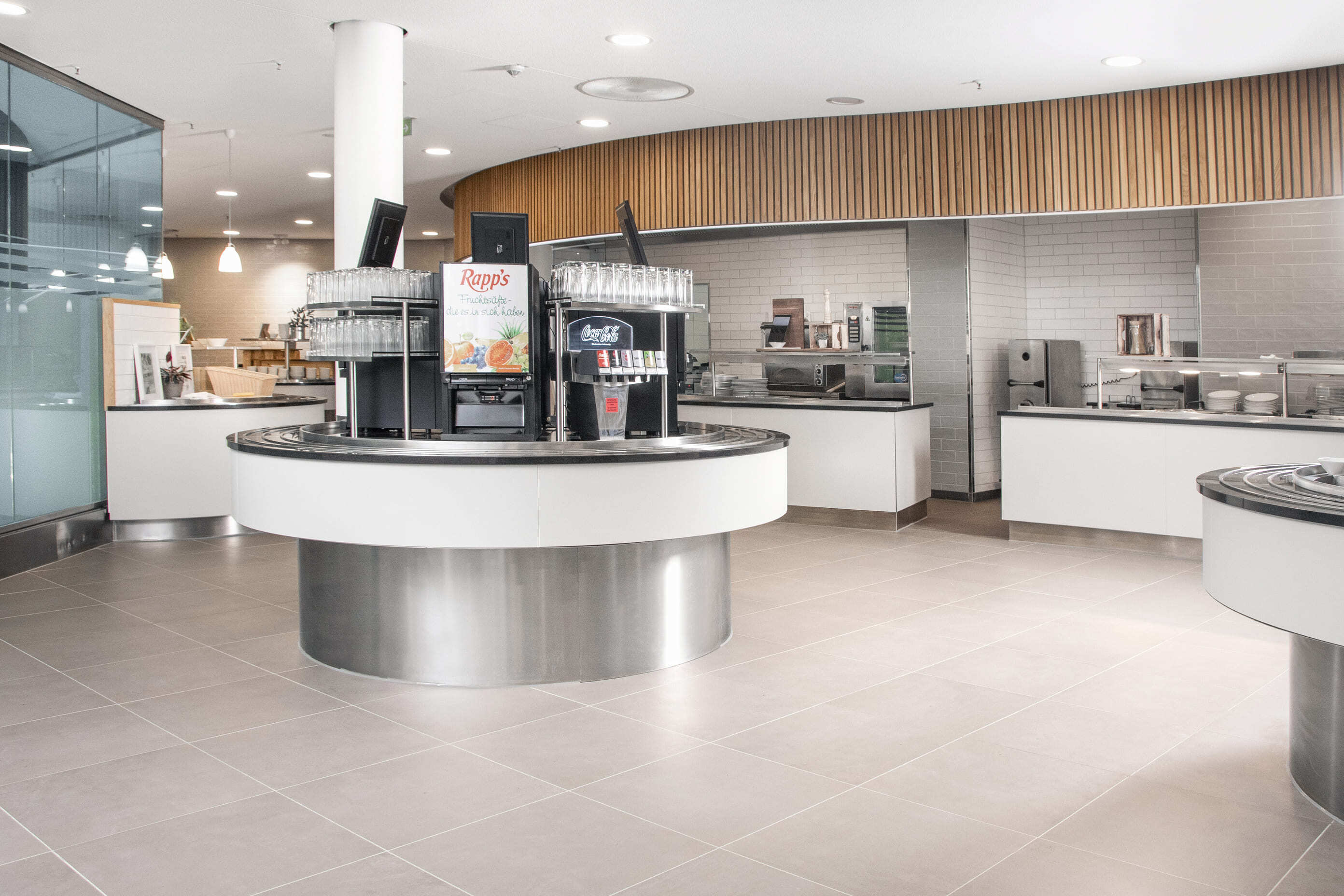
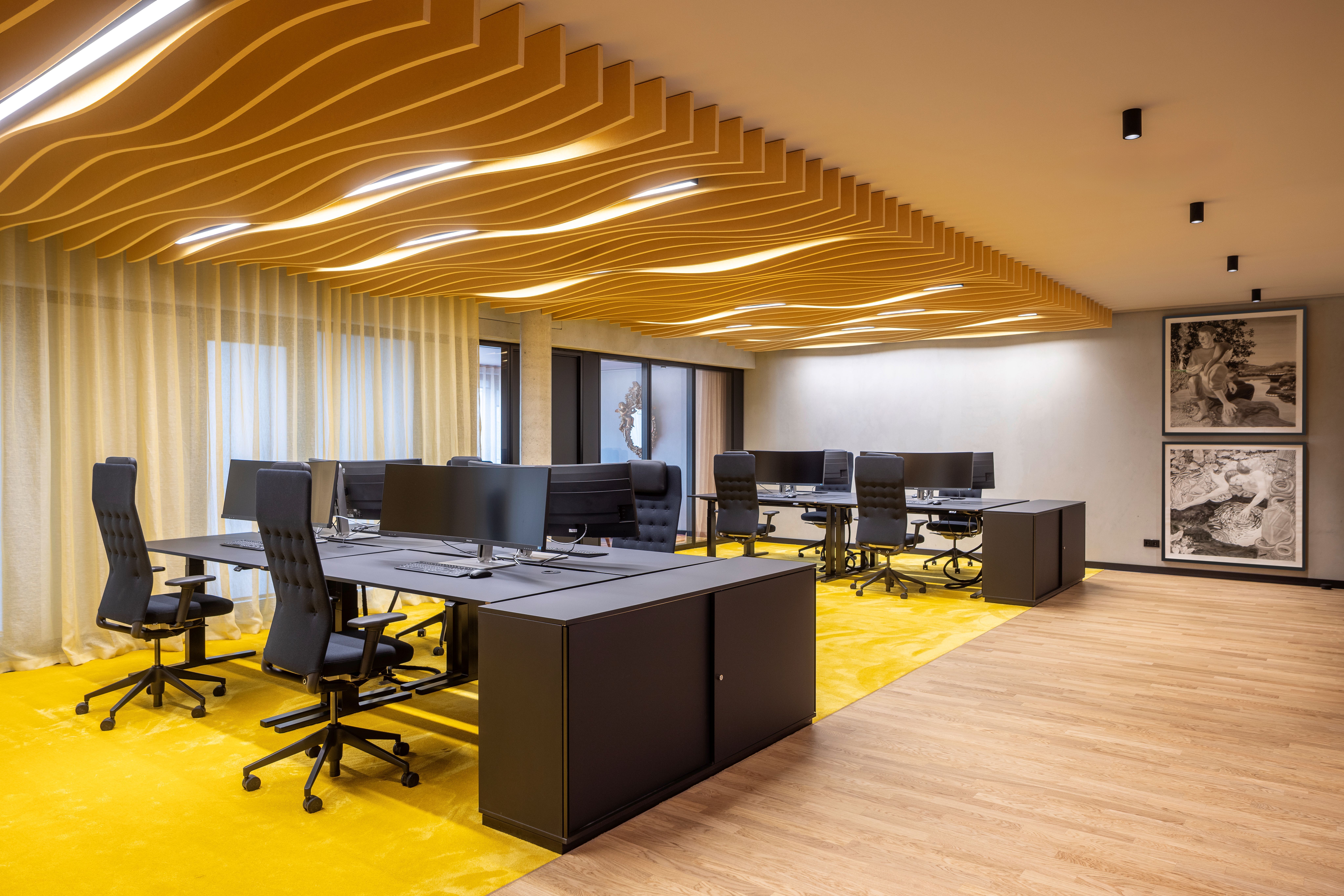
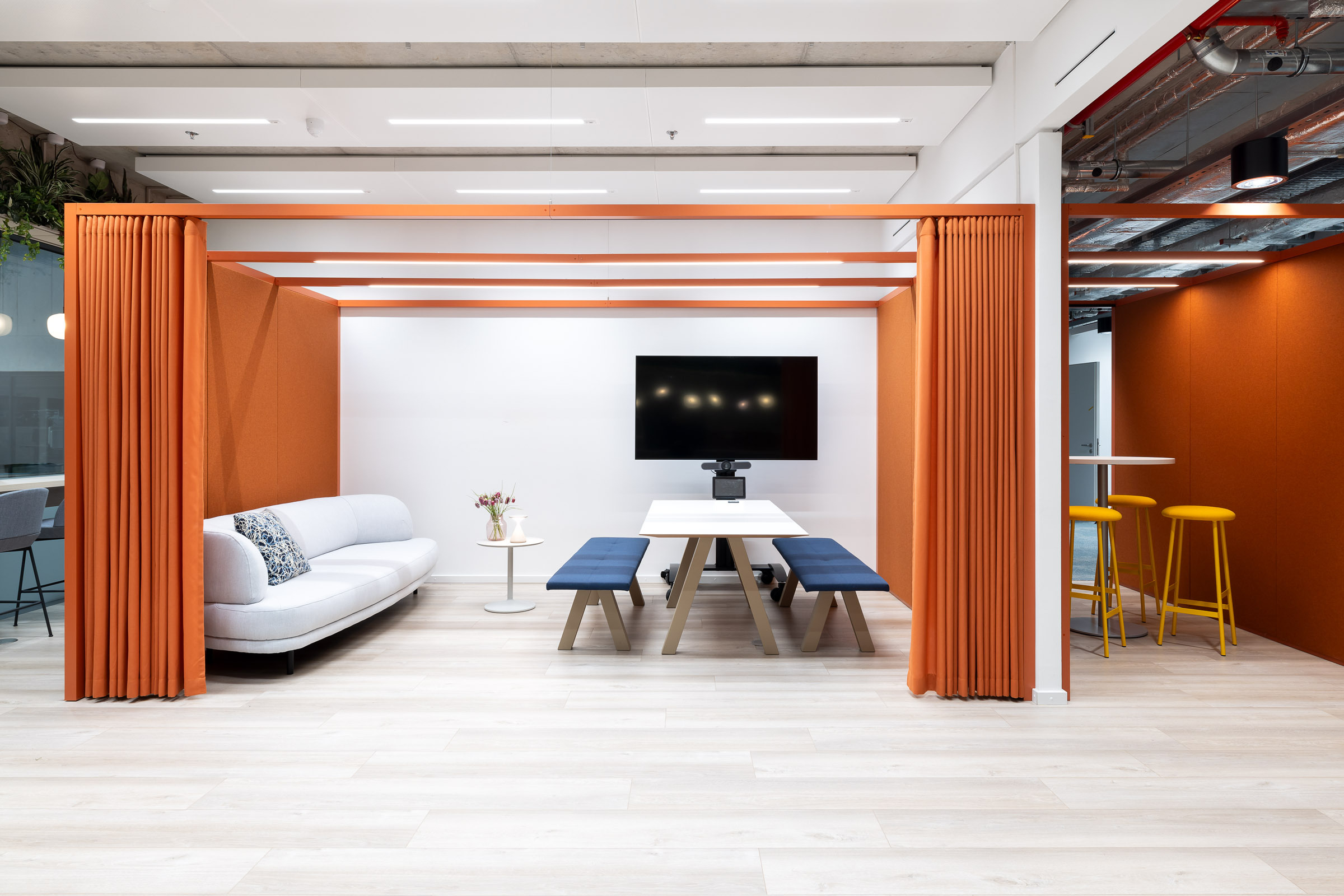
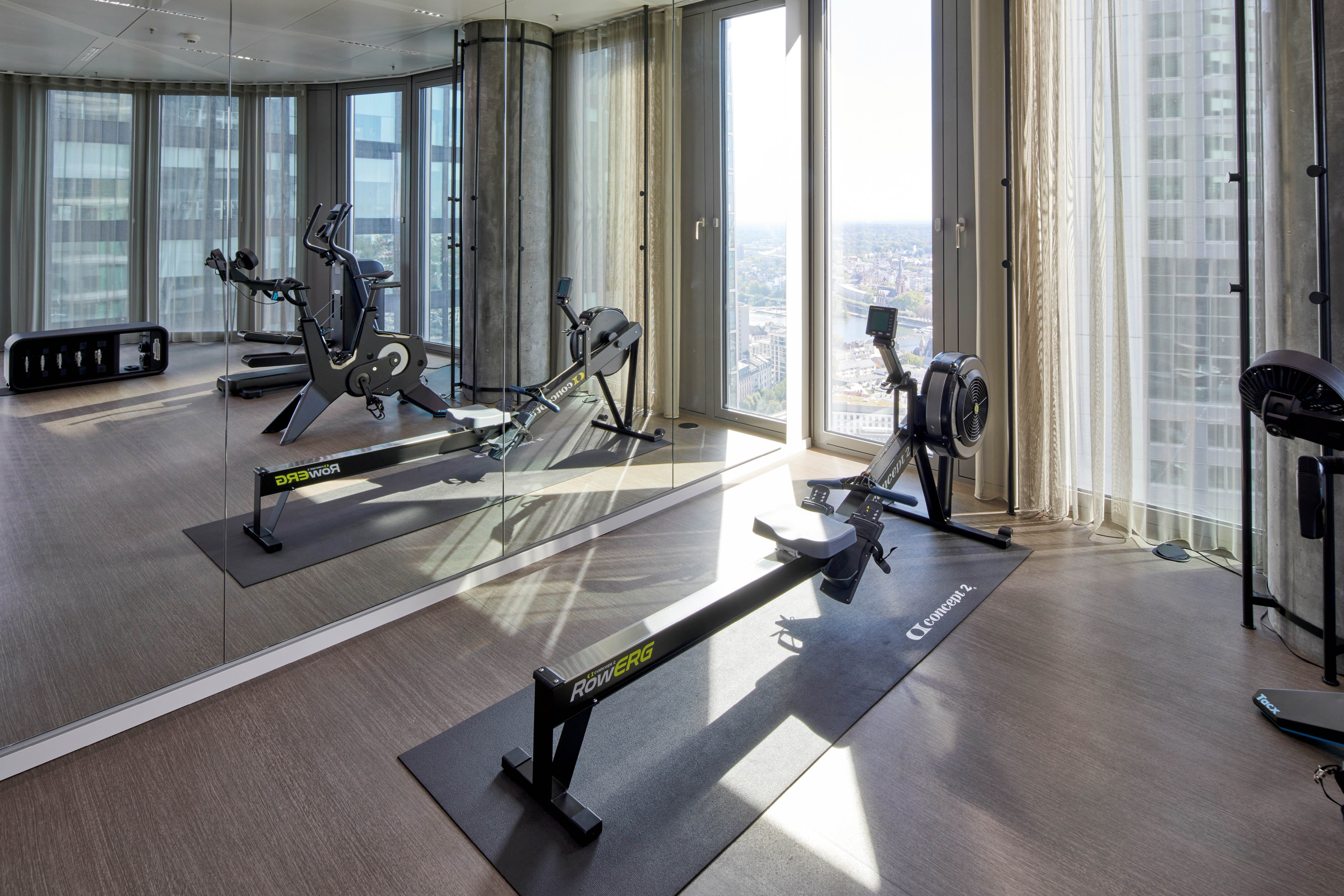
This includes the thoughtful design of office spaces with optimal lighting, good acoustics, and ergonomic workstations. Areas dedicated to focused work, collaboration, and relaxation support a healthy workday. Sustainability and well-being also play an important role, for example through plants, clean air, and pleasant interior design. Modern office furnishings create environments where employees enjoy working and feel comfortable.
Service elements such as cleaning services, catering, facility management, or on-site technical support ensure that employees can use the physical environment smoothly and feel fully supported.

Digital environment
Seamless processes and smart technologies are essential to supporting daily work. These include digital tools and platforms that enable collaboration, user-friendly IT systems, cloud access, and hybrid work models. Automation, artificial intelligence, and intelligent workplace solutions further enhance efficiency and convenience. Concepts such as hybrid working or desk sharing are optimally supported, enabling flexible ways of working.
Service elements such as IT support, digital guidance, and training ensure that employees can use technology confidently and effectively.

Cultural environment
A lived culture of trust, openness, and collaboration strengthens employees’ emotional connection to the organization. Company values, leadership, communication, and a sense of belonging shape the work environment. Trust, flexibility, and diversity and inclusion foster a respectful and motivating atmosphere. Regular events, an open feedback culture, and employee retention initiatives complete the cultural workplace experience and build a strong sense of community.
Service elements such as onboarding, mentoring, employee events, and retention programs support the cultural experience and further strengthen engagement.

Benefits and opportunities of a positive workplace experience
A professionally designed workplace experience increases employee engagement, optimizes workflows, and enhances an organization’s attractiveness as an employer. Through targeted workplace consulting, companies can align physical, digital, and cultural factors to create a cohesive and effective work environment.
Higher satisfaction and stronger retention
A positive workplace experience promotes well-being and identification with the organization. Employees feel valued, leading to reduced stress, higher motivation, and stronger engagement. Modern workspaces boost daily energy levels and overall satisfaction. Organizations that invest in workplace experience are perceived externally as modern and attractive employers. The result is stronger employer branding, a clear advantage in the competition for talent, and lower turnover.
Increased productivity and efficiency
Optimized workflows, smart tools, and well-designed spatial concepts enable employees to work with greater focus and collaborate more effectively. Time losses caused by technical obstacles or inefficient communication are significantly reduced. Examples include intelligent meeting room booking systems or digital platforms for hybrid work that prevent double bookings and streamline processes.
Stronger company culture and more effective collaboration
Open, hybrid work environments encourage teamwork, creative interaction, and innovation. A culture of appreciation strengthens the sense of community. Trust, feedback, and transparency grow when physical, digital, and social aspects of work are aligned. Workplace experience creates environments where people enjoy coming together both physically and digitally and supports the development of shared values and a strong sense of connection.
Cost optimization through more efficient use of office space
Intelligent workplace design and hybrid working models allow office space to be used more efficiently while reducing operating costs without compromising the quality of the workplace experience. Workplace consulting helps organizations design space concepts, desk sharing models, and flexible workplaces that benefit both employees and the business.
Sustainability and future readiness
A well-designed workplace experience integrates environmental and social sustainability. This includes resource-efficient space concepts, energy-efficient buildings, and initiatives that support employee well-being. At the same time, it strengthens corporate social responsibility and prepares organizations for the future. This allows organizations to create work environments that are effective over the long term and that balance the needs of employees, the market, and the environment.
What a workday with excellent workplace experience can look like
The following day-in-the-life example illustrates how a thoughtfully designed workplace experience can shape the workday. It highlights how space, technology, and culture interact to create a smooth, productive, and enjoyable day at work.
The workday begins in a relaxed way. Employees choose whether they want to work in the office, from home, or at a co-working space.
Those who come to the office are welcomed by a bright, inviting environment. Ergonomic workstations, good air quality, and a well-designed lighting concept immediately create a sense of well-being. A booking system shows available workspaces and automatically reserves a team space or focus area if needed.
All relevant information is bundled in the digital workplace. Projects, appointments, chats, and emails are seamlessly connected. AI assistants help set priorities and automate routine tasks. Meetings start on time, technology works reliably, and hybrid collaboration feels natural.
Teams meet in flexible work areas or virtual rooms to develop ideas. Mobile furniture, interactive screens, and an open feedback culture encourage creativity and fast exchange. A short walk or a coffee in a green atrium creates space for spontaneous conversations and fresh inspiration.
The break offers genuine recovery. Employees enjoy healthy, regional food, quiet zones for relaxation, and options for movement or short meditation. The organization actively supports work-life balance and mental well-being.
For concentrated work, acoustically optimized retreat spaces are available. Clear processes and digital transparency create calm instead of pressure. Everyone knows what they are working on and what comes next.
The workday winds down smoothly. Employees can share achievements or give feedback. The organization shows appreciation through a team board that highlights accomplishments, completed projects, or thank-you messages. This makes progress visible and supports continuous personal growth.
Your path to a better workplace experience
A day like this shows that a strong workplace experience is not a luxury but a strategic success factor. It does not happen by chance, but through intentional planning and implementation. The right combination of spatial design, technology, organizational culture, and services must be aligned with the needs of your employees.
This is exactly where we come in. With our structured consulting approach, we guide you step by step on your path to a better workplace experience:
1. Analysis and strategy development
Together with you, we analyze the current situation and develop a holistic strategy for an optimized work experience.
2. Space and technology concept
Based on the strategy, we design concepts for workspaces, flexible spatial structures, and smart technologies that promote efficient and motivated work.
3. Implementation
We support the practical implementation, from equipping modern workstations to designing inspiring office environments, drawing on our expertise in workplace consulting and interior architecture.
4. Change and communication strategy
To ensure that changes are successfully adopted, we develop accompanying change and communication measures that actively involve employees and strengthen the new work culture.
Get started today:
Let’s work together to explore how we can take your work environment and your employees’ experience to the next level.


