What kind of office furniture does a future-ready workplace need?
With the right office furniture, you can boost productivity and employee well-being.
Today, “office furniture” means far more than a desk and a chair. This guide shows how modern office furniture brings workplace culture to life and becomes a strategic tool for organizations.
This article shows …
- the role office furniture plays in hybrid work environments,
- the principles that shape modern office design,
- how office furniture puts these principles into practice,
- the opportunities and challenges that arise during planning,
- the most common questions about modern office furniture,
- how workplace consulting contributes to sustainable and functional office environments.
Office furniture as an integral part of hybrid work environments
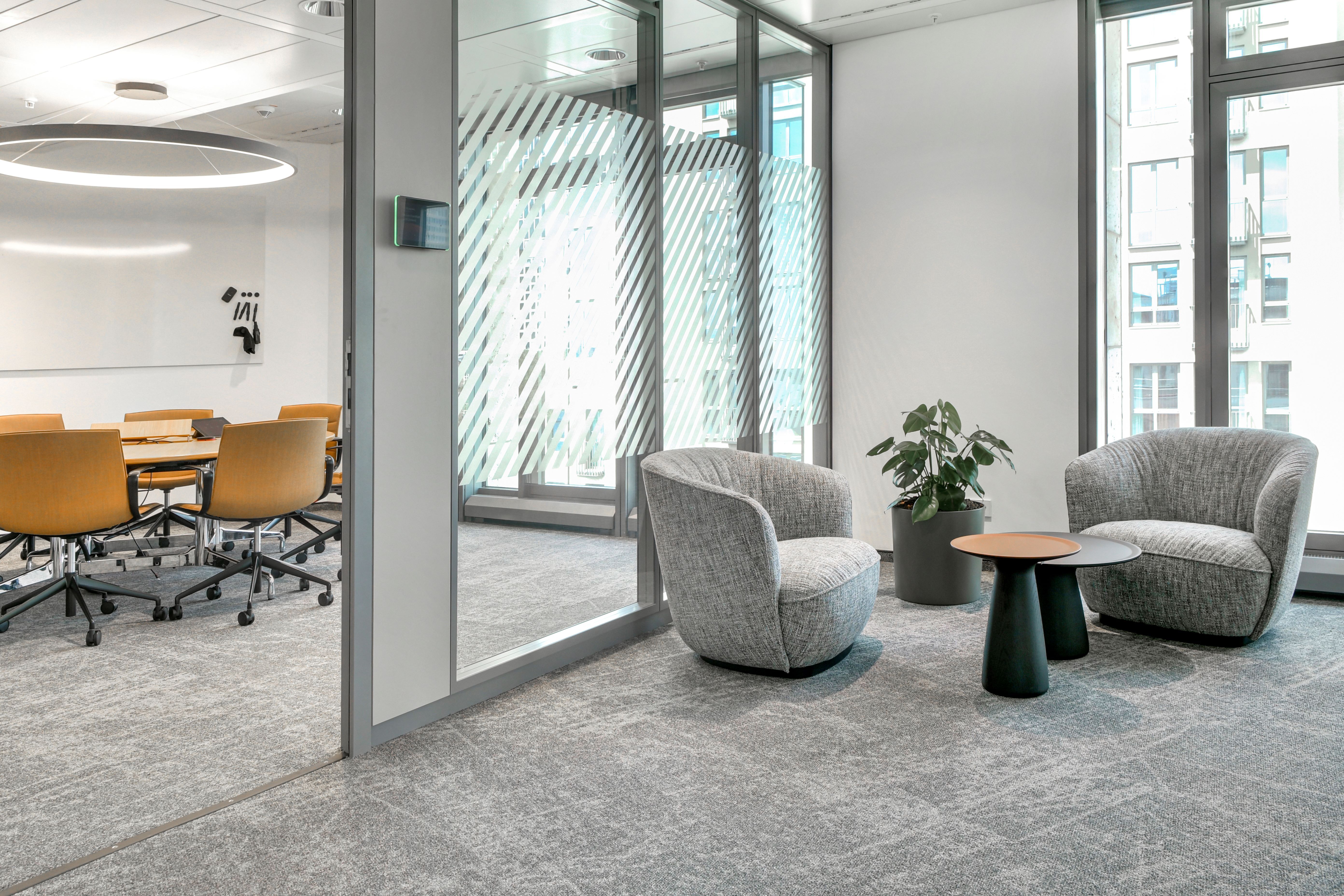
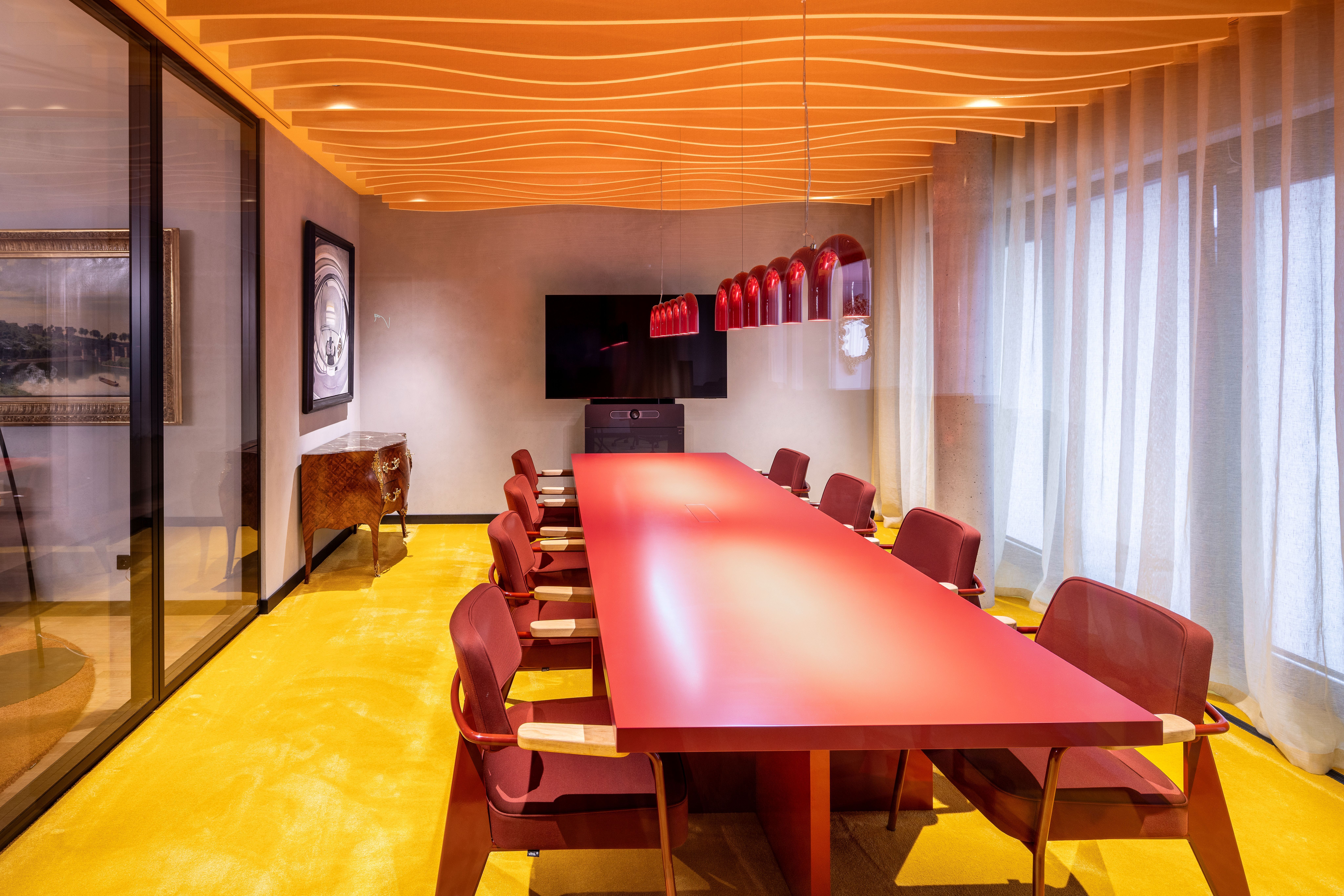
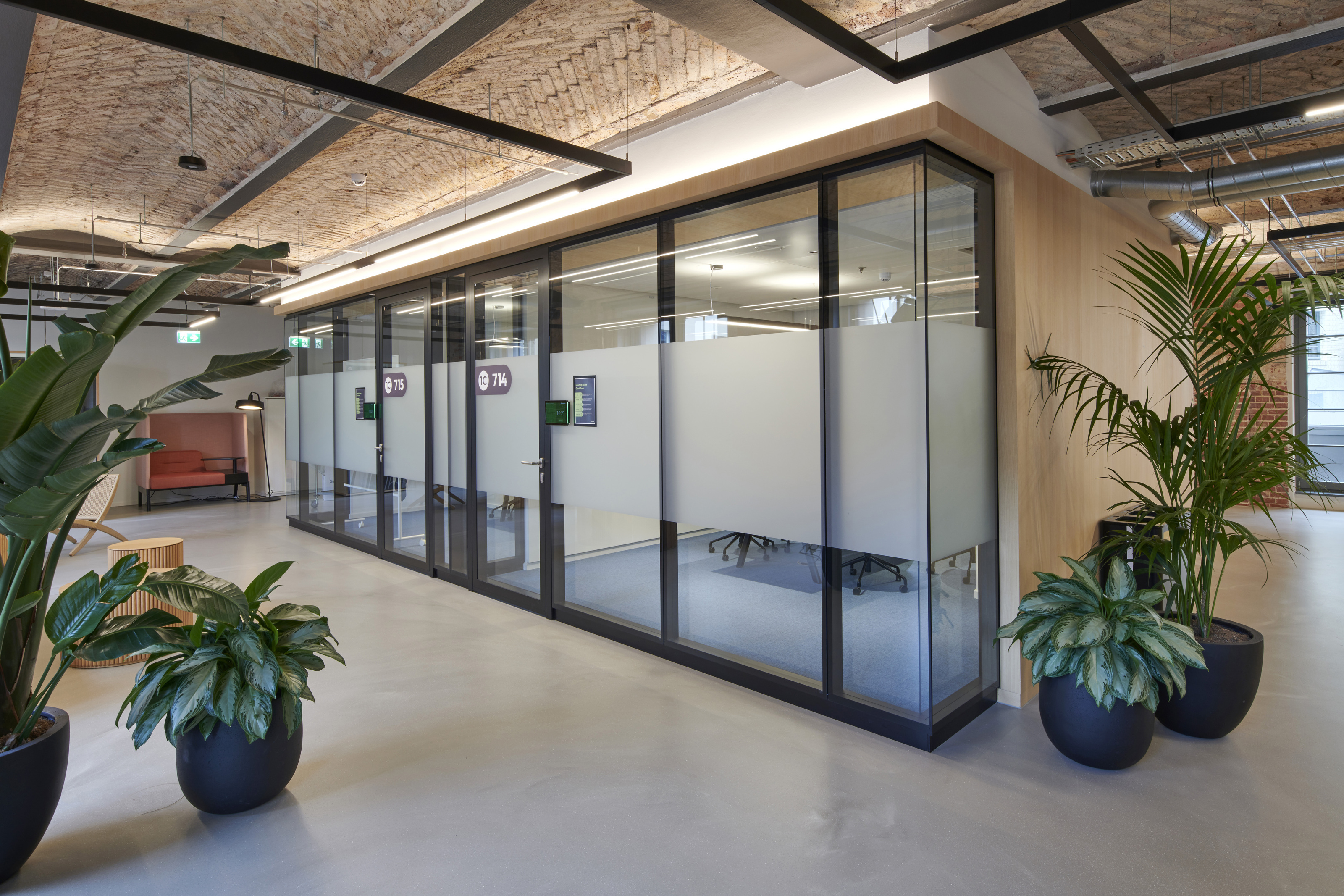
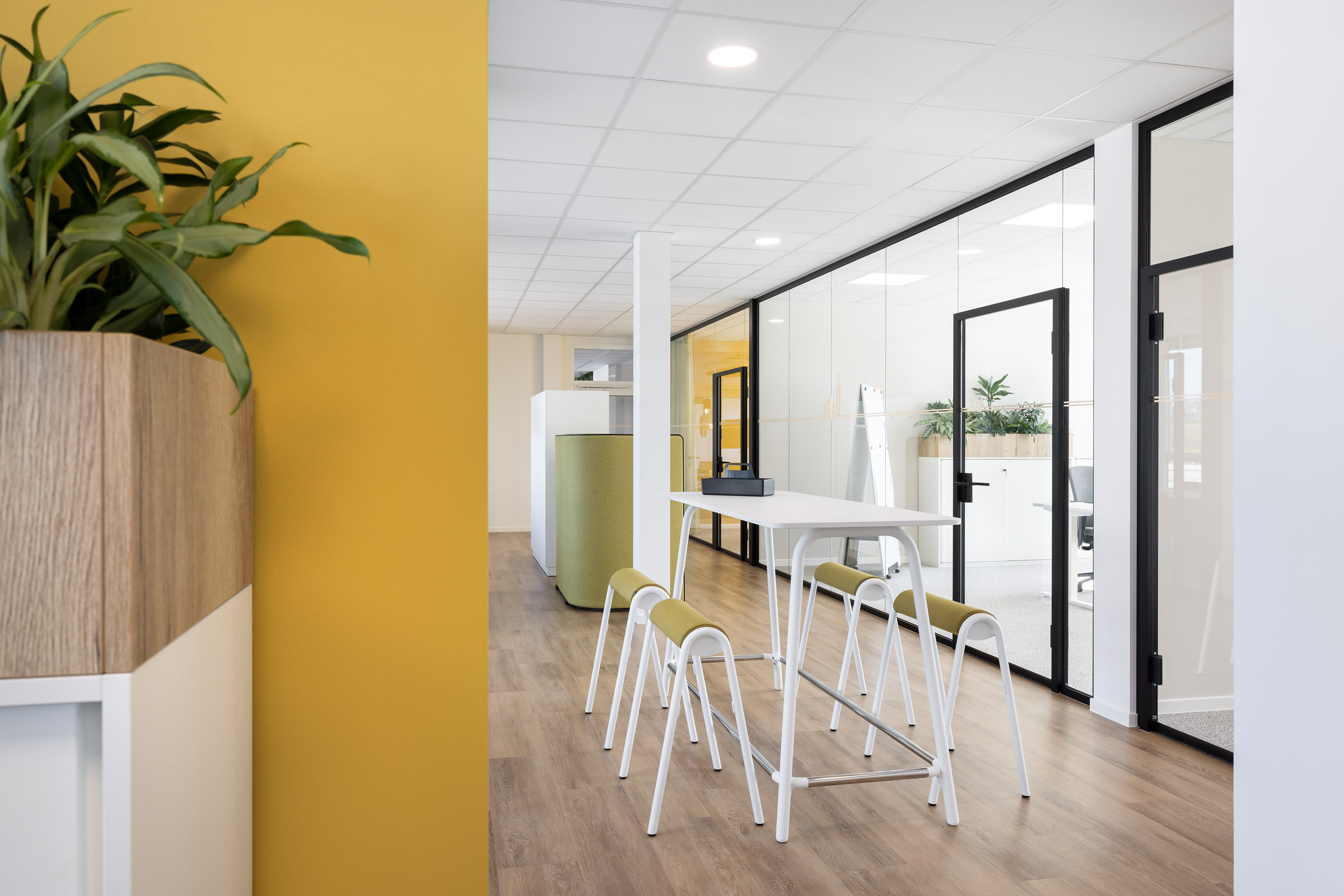
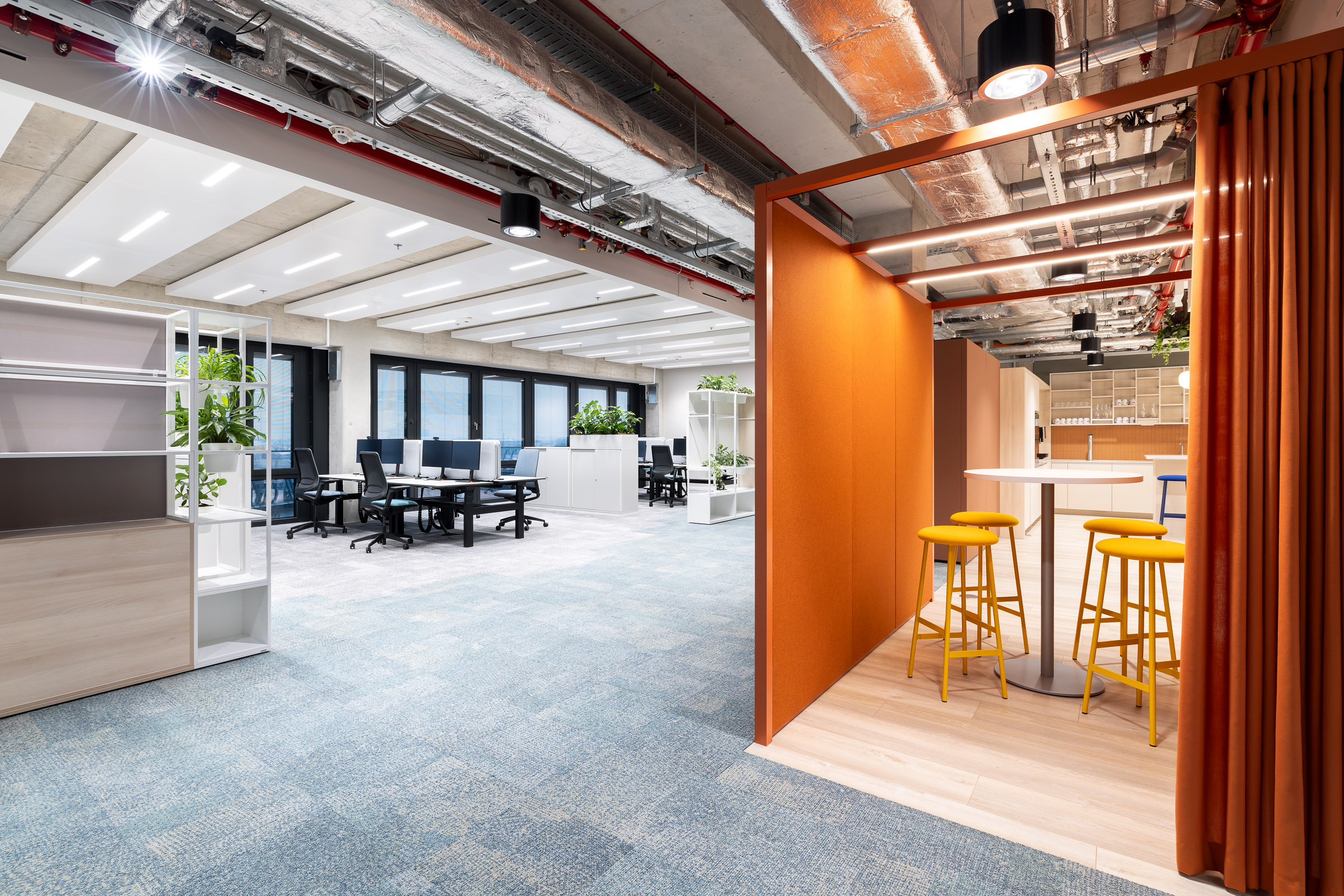
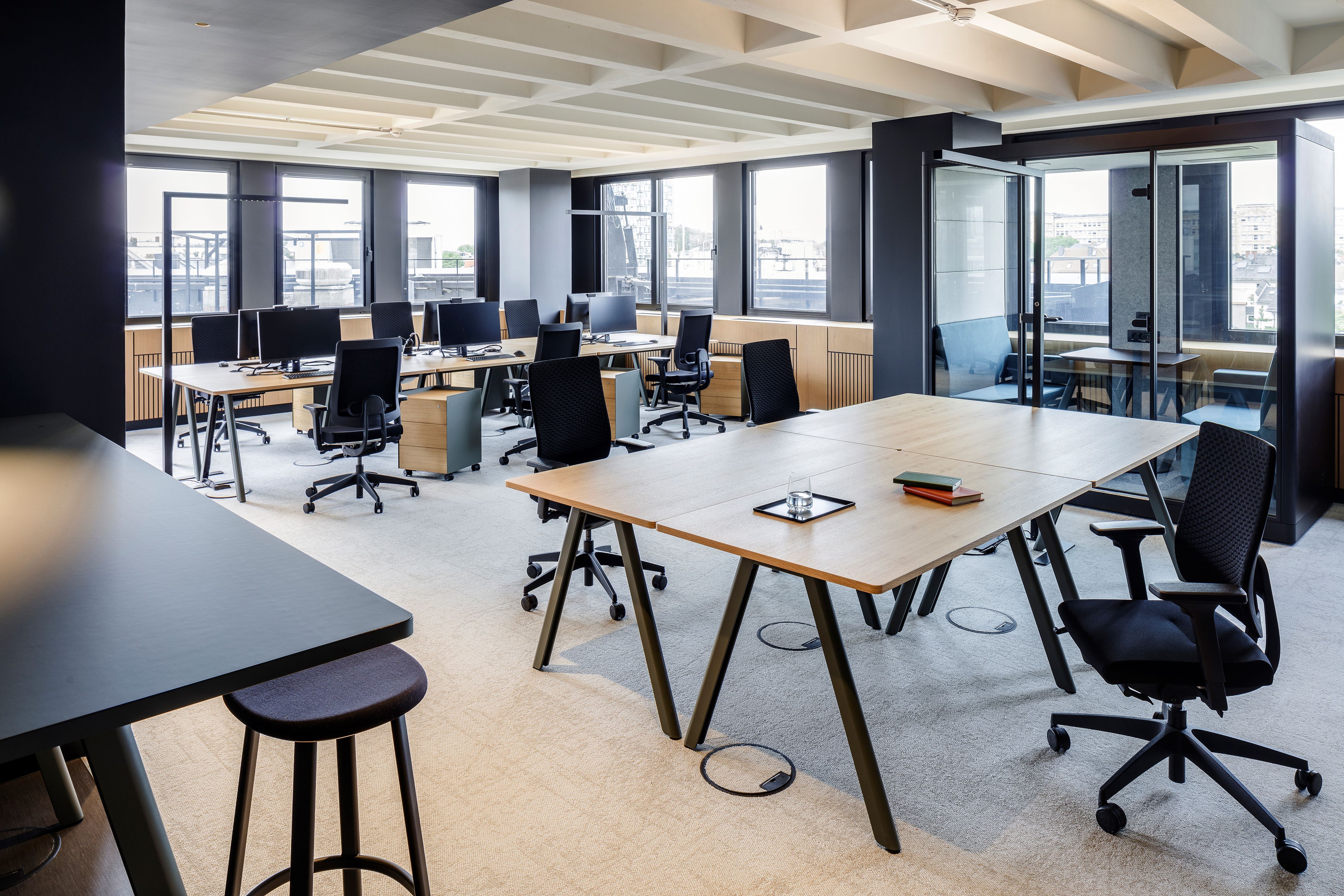
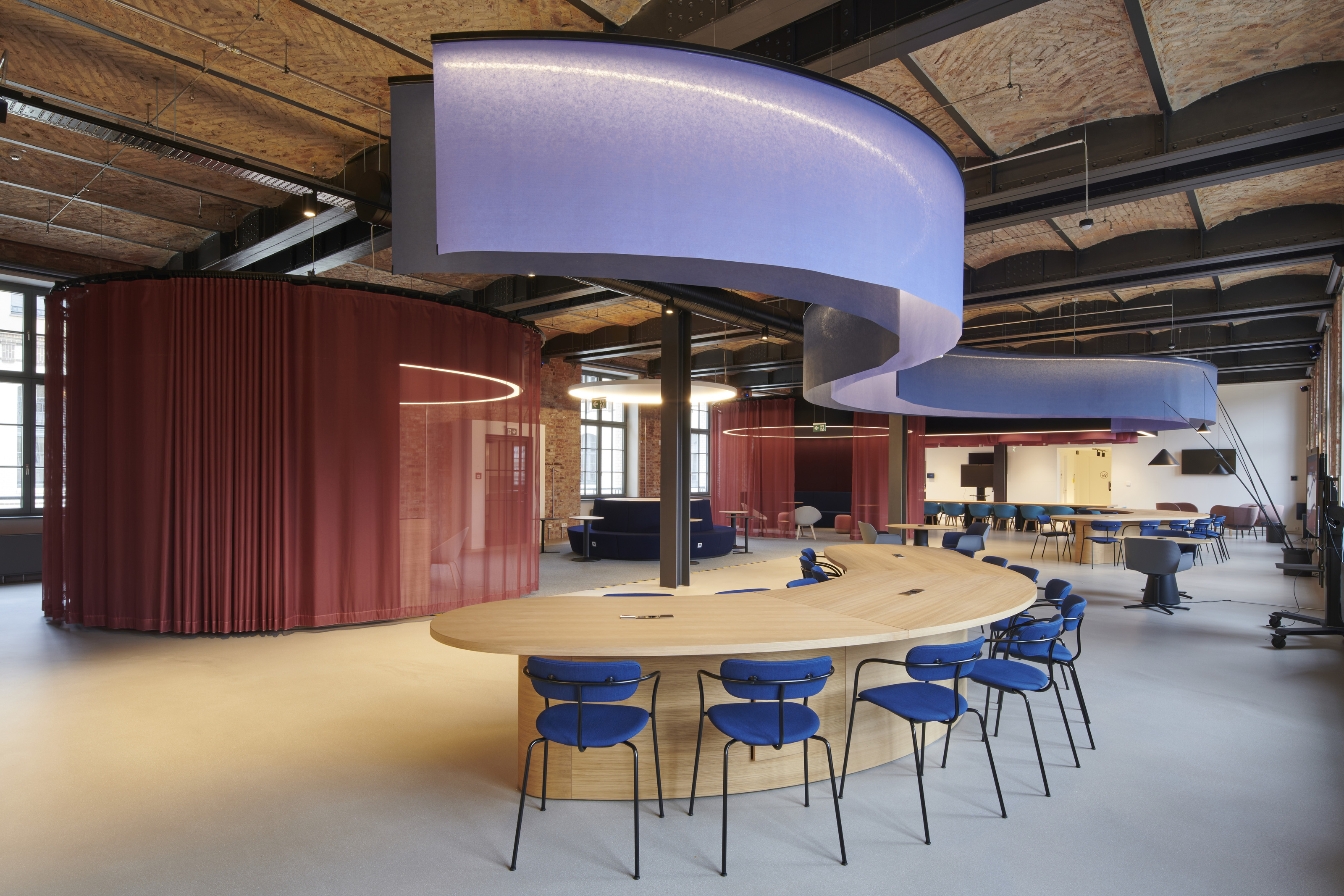
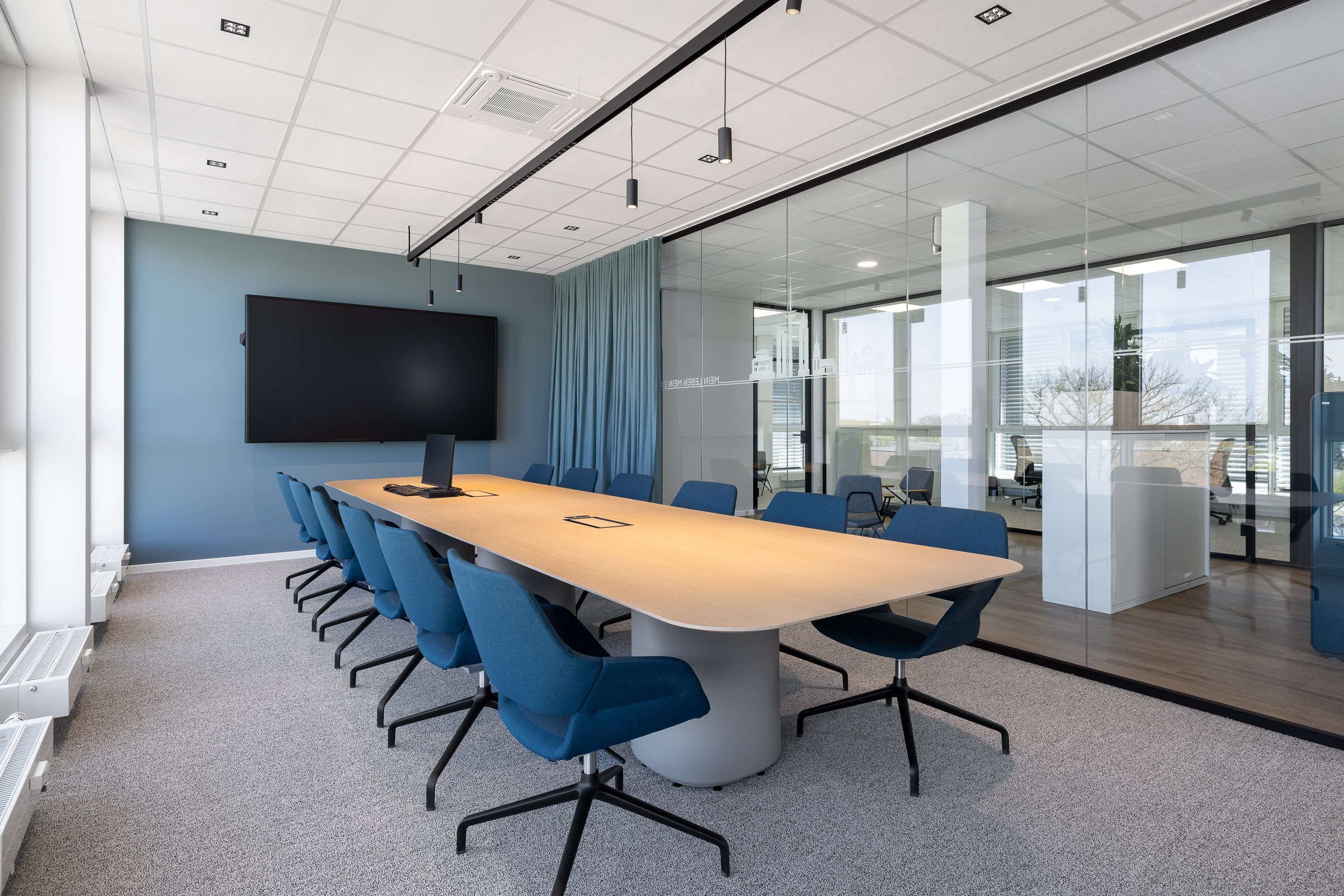
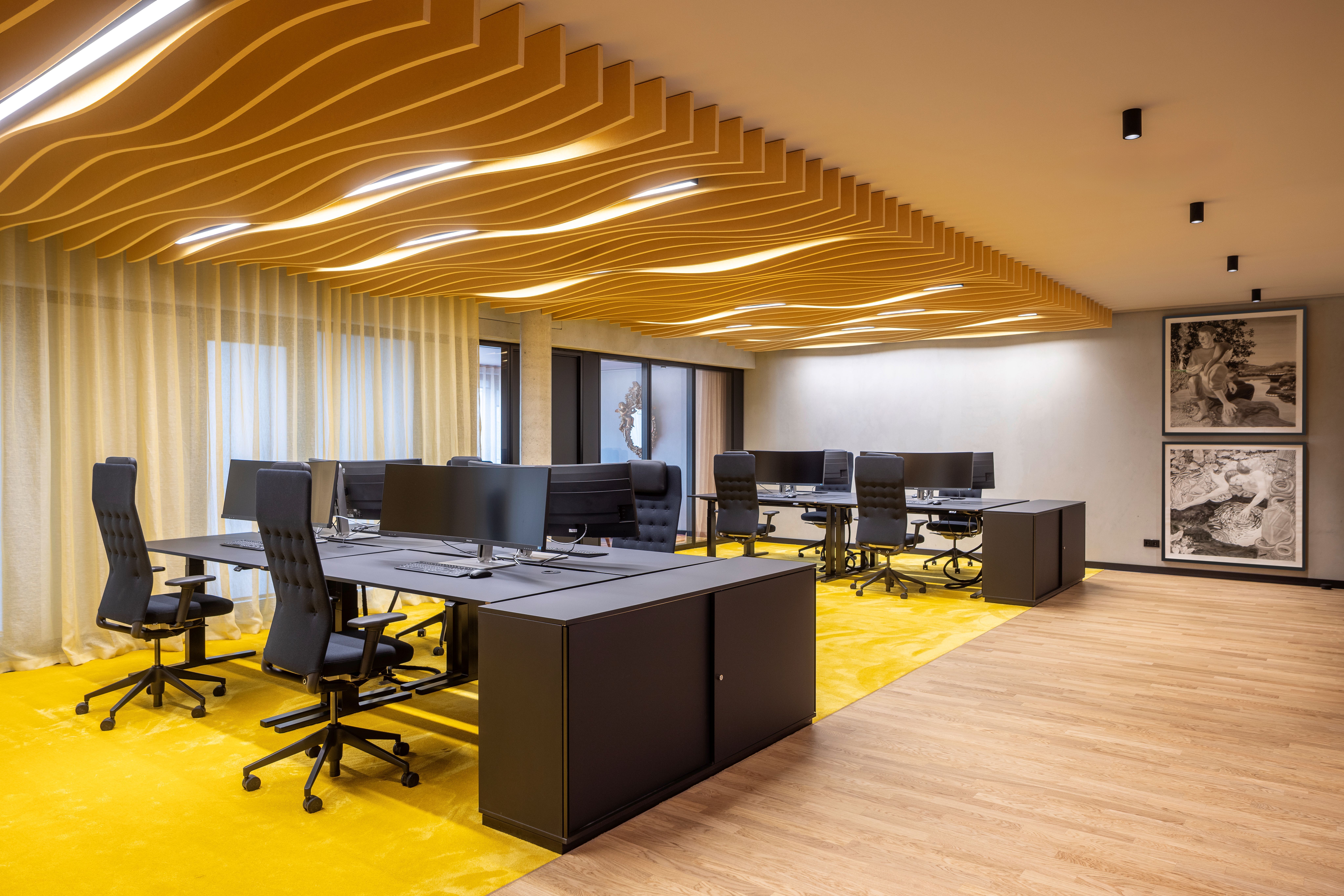
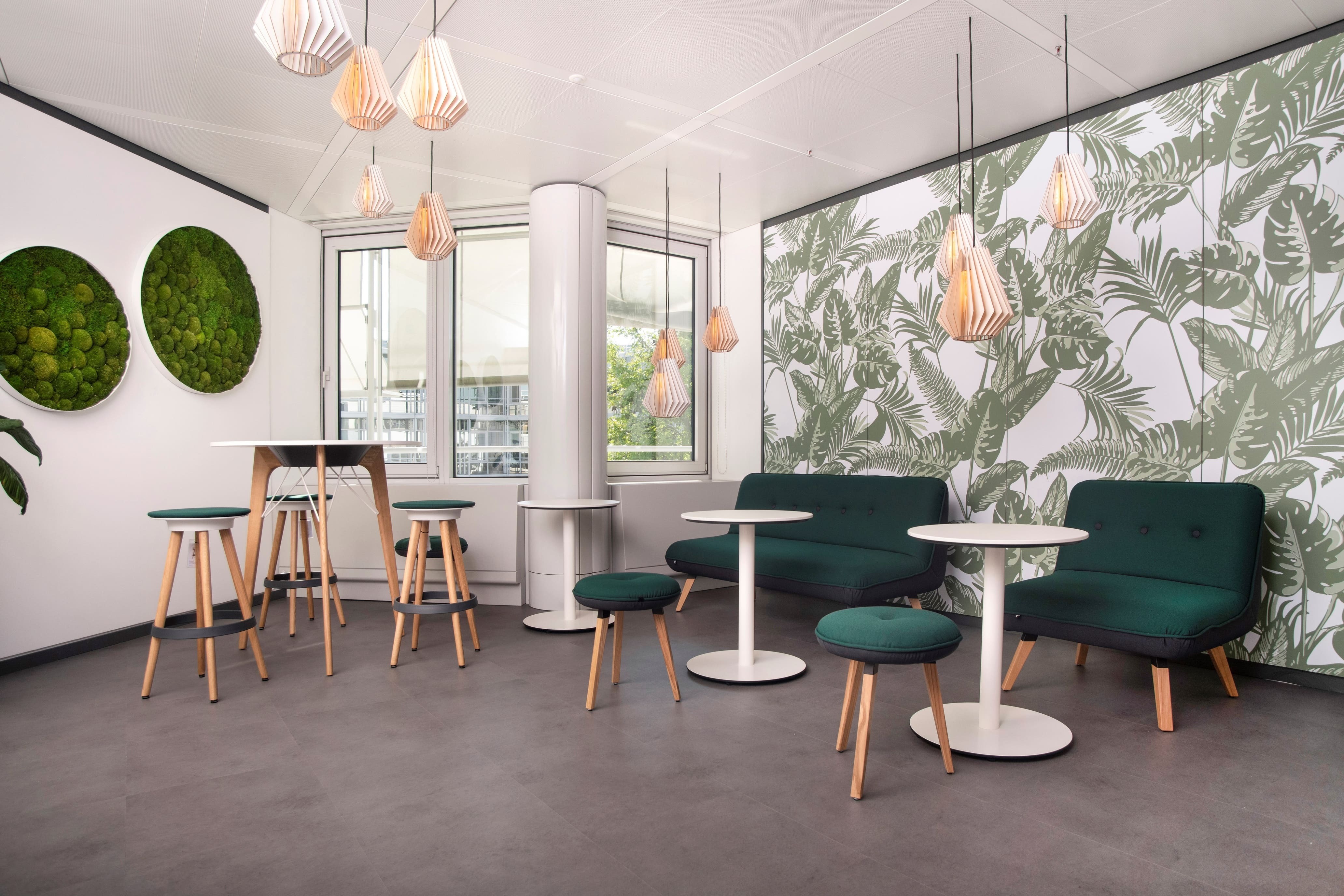
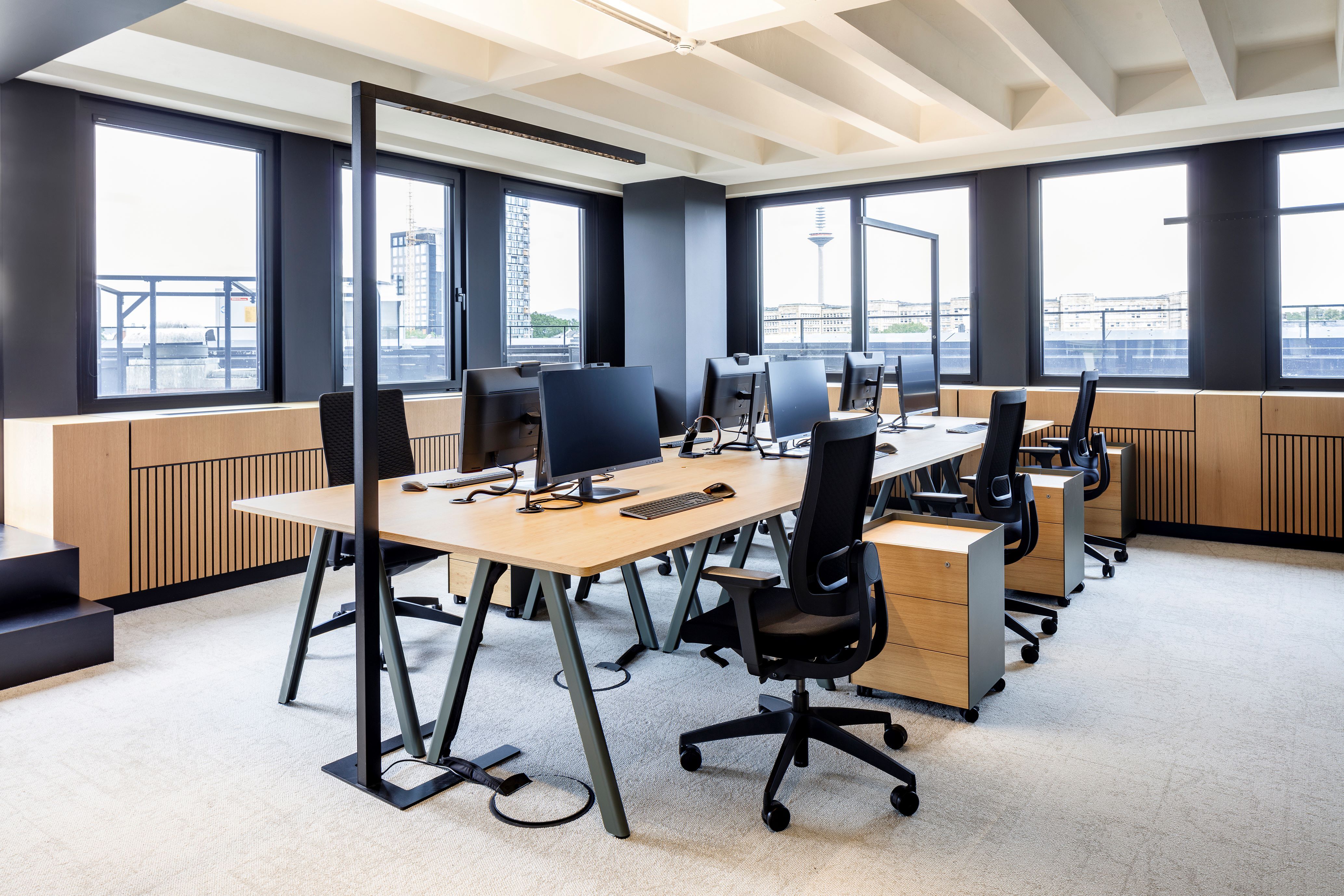
Office furniture can no longer be seen merely as equipment. It is a key component of a larger system that ties together space, technology, organization and culture. In modern hybrid work models, the purpose of the office has fundamentally changed. It is no longer simply a place where tasks are completed. Employees now use the office intentionally for collaboration, connection and creative work. To support this range of activities, flexible and adaptable spatial concepts are essential. Depending on their task, employees need the ability to choose between different types of spaces. Office furniture concepts therefore create focused work areas, collaborative project zones for teamwork and creative processes, as well as informal spaces that encourage social interaction.
Principles of modern office design
Modern office design emerges from the interplay of interior architecture, functionality and workplace consulting. This strategic approach shapes work environments that support company culture, streamline workflows and address employee needs. Modern office furniture follows these same goals and translates them into a coherent spatial experience.
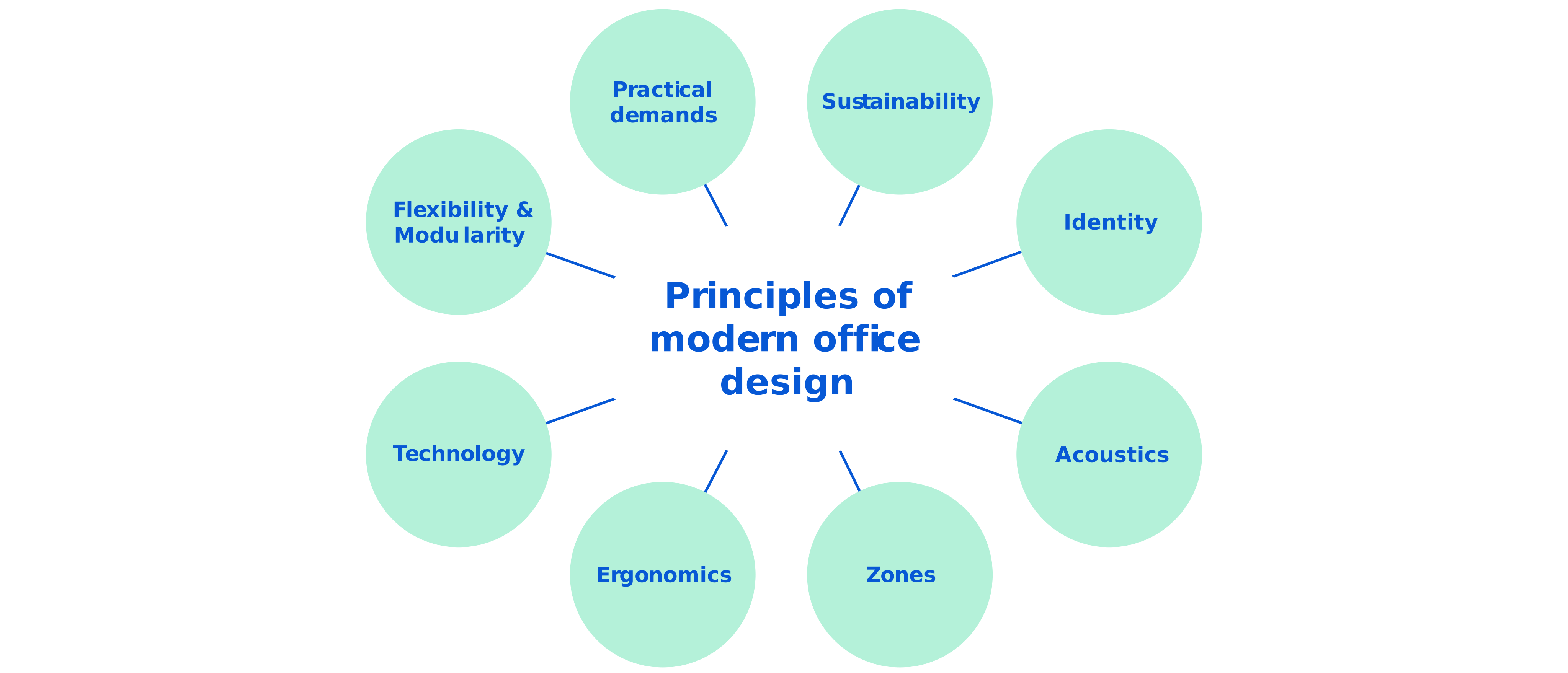
A central requirement is that office furniture meets the practical demands of daily work. Furniture, room solutions and technologies are designed to make work easier, support workflows and increase productivity. Flexibility and modularity are essential to support hybrid work and dynamic team processes. Office furniture must adapt easily to new tasks, team sizes and projects.
Reliable technology integration is equally important. Video conferencing systems, collaboration tools, smart room-booking solutions and stable connectivity are incorporated in a way that blends functionality with aesthetics and ensures smooth workflows. Ergonomics plays a key role in creating an inclusive and age-friendly workplace. A comprehensive ergonomic concept considers not only furniture but also the interaction of space, light, air quality and digital tools. Companies that prioritize ergonomics strengthen long-term health, motivation and performance across all generations. In modern offices, spaces are designed for activities rather than hierarchy. This includes focus areas for concentrated work, meeting rooms and workshop zones for agile collaboration, social spaces for informal exchange, and quiet areas for uninterrupted work. Suitable furniture supports each of these environments, creating workplaces that foster productivity, creativity and social connection. Acoustics are another essential factor, especially in open spaces. Spatial design — including room size, circulation paths, zoning, and ceiling or flooring materials — behavioral guidelines, and targeted furniture solutions can significantly improve sound quality. A carefully calibrated ambient noise level helps reduce the impact of individual conversations and creates a more comfortable working environment.
The physical workspace is increasingly becoming a strategic instrument of brand identity. Modern office design can make brand values tangible and create a strong sense of identity and belonging. Colors, materials, wayfinding systems and plant concepts establish an environment that reflects company culture. Durable materials, modular and repairable furniture, circular procurement and energy-efficient technology support ESG goals and reinforce employer branding. Office furniture designed with sustainability in mind creates a future-proof foundation that meets both ecological and economic expectations.
How office furniture puts these principles into practice
Flexible space concepts and zoning
Implementation begins with room layout and zoning. Focus rooms, meeting spaces and room-in-room solutions enable privacy and concentration, while open areas support teamwork and informal learning. Creative zones, work cafés and communal areas facilitate communication and idea generation. Mobile tables, modular storage, movable zoning elements and multifunctional rooms ensure adaptability and support activity-based working.

Lighting design and human-centric lighting
Modern office furniture integrates lighting as a central factor for performance, focus and health. Human-centric lighting places people at the center and considers the visual, biological and emotional effects of light. Visual comfort ensures glare-free, well-lit workspaces. The biological impact, also known as the circadian approach, supports natural rhythms, stabilizes sleep-wake cycles and reduces fatigue. Emotional effects enhance atmosphere, motivation and well-being.
Lighting systems and fixtures are selected to support these outcomes. Smart lighting adjusts brightness and color temperature throughout the day, creating comfortable work environments while improving energy efficiency. Office lighting becomes an integral part of the furniture concept, supporting health, productivity and a positive spatial experience.

Acoustics and sound management
Modern office furniture integrates elements designed to improve acoustics. Sound-absorbing partitions, acoustic panels, carpets, curtains and furniture with noise-reducing surfaces minimize disruptive reverberation. Flexible modules such as alcoves or small retreat niches give employees access to quieter spaces whenever needed.

Biophilic design and plant concepts
Natural elements enhance well-being, concentration and overall spatial quality. Plants are integrated as standalone elements, built into furniture or used as space dividers to structure zones and create a more pleasant atmosphere. Flexible solutions such as plant-leasing models or professional plant services simplify maintenance and keep greenery looking fresh over time.

Ergonomic furniture and equipment
Height-adjustable desks, sit-stand solutions and fully adjustable task chairs enable employees to change posture throughout the day. Ergonomic accessories, including specially shaped keyboards, mice, and footrests, help maintain a healthy posture during long work sessions.

Storage and organization
Modular storage solutions optimize space usage, promote organization and help manage both digital and physical work materials. Office furniture becomes a tool that supports daily workflows.

A note on comfort: Home-like elements in the office
Sofas, lounge furniture and residential elements are increasingly shaping modern office environments. They create informal meeting points where employees can connect, brainstorm or recharge. Modular lounge systems integrate easily into various zones, from open seating areas to acoustically protected alcoves. Designed for both comfort and productivity, they include sturdy seating, built-in tables and charging options that support laptop and mobile use. Modern office furniture becomes a workplace that blends functionality with comfort.
Opportunities and challenges of professional office furniture
A well-designed office environment opens up valuable opportunities for organizations, yet it also requires thoughtful planning.
Benefits
- Health and well-being: Well-designed office furniture reduces physical strain, improves ergonomics and creates a positive work environment.
- Motivation and identification: Thoughtful office design strengthens employee engagement and sense of belonging.
- Higher efficiency: Well-aligned workspaces support agile methods and improve productivity.
- Better collaboration: Intelligent spatial layouts promote teamwork, informal interactions and creative processes.
- Long-term value: Modular and flexible office furniture adapts to future work styles and reduces remodeling costs.
- Employer branding: Office design that reflects company culture enhances external perception and attracts talent.
Challenges
- Investment costs: Careful planning ensures that budget and space are optimally aligned with furniture needs.
- Specialized expertise: Selecting suitable furniture, modules and design concepts requires professional knowledge to support workflows and culture.
- Change management: Employees must be guided into new spatial concepts and work habits for the office environment to unfold its full impact.
FAQ: Office furniture
Thinking about redesigning your workspace? Here are the most important questions and answers.
When is new office furniture necessary?
Whenever work styles evolve, teams grow or existing spaces no longer meet functional needs. It is also relevant during modernization efforts, office relocations or the introduction of hybrid work models.
How much does new office furniture cost?
Costs depend on square footage, desired quality, technological needs and the extent of changes. Options range from modular partial updates to full workplace concepts. Professional planning creates clarity and budget certainty.
How long does planning and implementation take?
Depending on scope, timelines range from a few weeks to several months. Analysis, concept development and coordination form the foundation, followed by tendering, ordering and installation. If construction work is involved, timelines may extend.
Which furniture is ergonomically appropriate?
Height-adjustable desks, adjustable task chairs, ergonomic peripherals and spatial concepts that encourage movement. What matters most is a holistic concept aligned with actual work activities.
How do I determine which office furniture fits my organization?
The right solution depends on workflows, culture, digital maturity and employee needs. Professional analysis ensures that design, functionality and investment align and deliver long-term value.
How can new office concepts be successfully introduced?
Successful change requires communication, involvement, and guidance. Change management helps to understand new spaces, establish rules, and make optimal use of office furnishings.
Workplace Consulting: The key to successful office furniture
Office furniture is most effective when it is based on solid insights. Workplace consulting combines analysis, planning and design into a coherent process that ensures spaces not only look new but also work significantly better. Through workshops, needs assessments and user interviews, a detailed understanding of tasks, processes and cultural nuances emerges. Based on these insights, space is used more efficiently, zones are clearly structured and furniture is selected to support workflows and adapt to future developments.
Workplace consulting ensures that office furniture becomes a strategic component of organizational development. It strengthens employer attractiveness, improves productivity and creates spaces where people feel comfortable and work effectively.
If you plan to redesign or update your office furniture, we support you from analysis to implementation.
We create work environments that fit your needs, fully independent of manufacturers and vendors.